
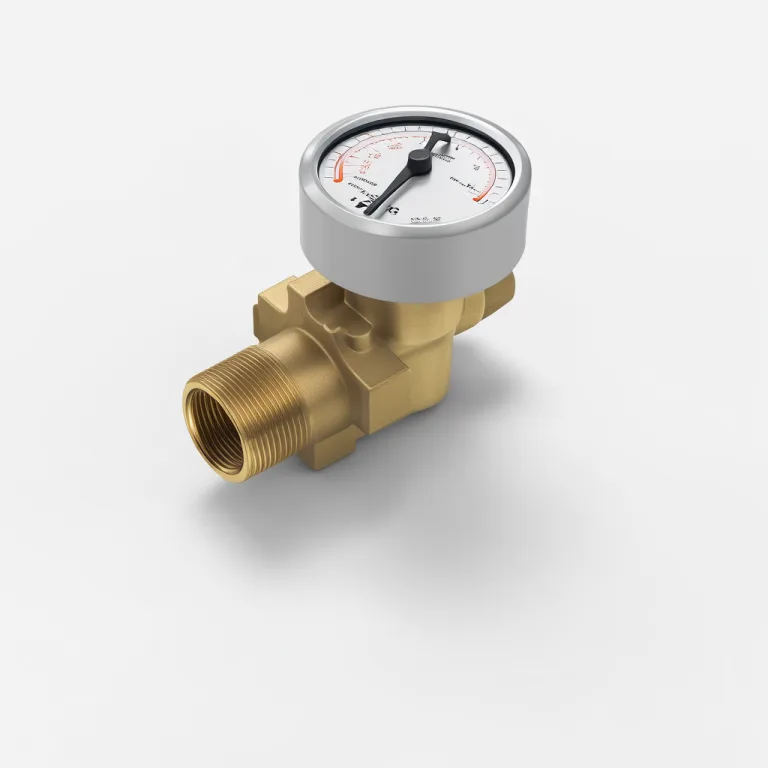
Irrigation Control Valve
Irrigation Control Valve for industrial applications.
About Irrigation Control Valve
Irrigation Control Valve for industrial applications.
| Domain | agri |
|---|---|
| Product Family | Valves |
Who Works With Irrigation Control Valve?
4 engineering roles are connected to Irrigation Control Valve based on verified research evidence.
Agricultural Engineer
Agricultural Engineer is a formally recognized engineering discipline (ABET-accredited, PE licensure pathway) with documented responsibilities in irrigation system design, pump selection, and water distribution for agricultural and industrial agri-applications. Evidence confirms active job demand for this role in contexts involving irrigation booster pumps.
Maintenance Technician
Systems Engineer
‘Senior Mixing Systems Engineer’ is a real, documented job title in beverage and process industries, reflecting a senior-level systems engineering role focused on mixing equipment integration, specification, and lifecycle support. While ‘Mixing Systems’ denotes domain specialization (not vendor- or product-specific like ‘Ribbon Blender Engineer’), it aligns with recognized subdomains of process systems engineering. The canonical role is generalized to ‘Systems Engineer’ per industry standards (INCOSE, IEEE), as ‘Mixing Systems’ is a functional specialization—not a standalone profession. Evidence from active job postings confirms responsibilities directly tied to ribbon blenders: troubleshooting, PM scheduling, GMP documentation, and commissioning—supporting DESIGN, SPECIFY, TROUBLESHOOT, MAINTAIN, and COMMISSION relationships.
Civil Engineer
Civil Engineer is a widely recognized, accredited professional engineering role. In the context of a Fire Water Storage Tank for industrial applications, civil engineers are responsible for structural design (e.g., tank foundations, site grading, seismic anchorage), hydraulic infrastructure integration, code compliance (e.g., NFPA 22 references civil/structural requirements), and inspection of civil works during installation. The evidence explicitly mentions coordination with civil engineers and responsibilities tied to water storage tanks and code compliance.